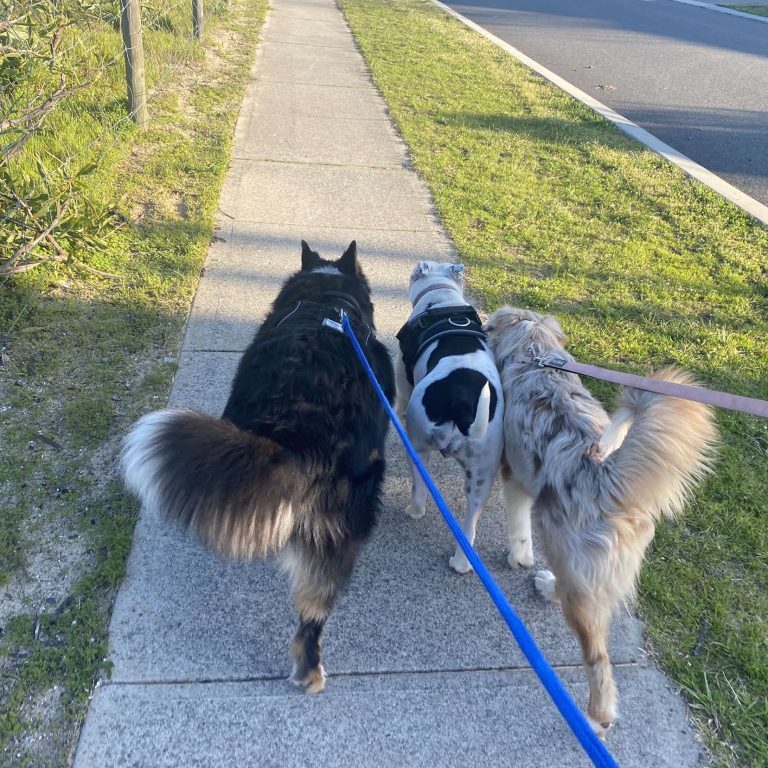
If you’re a dog owner, you’ve likely faced the challenge of excessive barking. It can be frustrating, especially when it feels like nothing is working to curb your pup’s enthusiasm for making noise. As someone who’s been through this with my own dog, Olive, I understand the struggle.
Olive, an incredibly bossy and attention-seeking barker, who loves the sound of her own voice. Over time, I’ve learned effective techniques to manage her barking, and I’m here to share them with you.

Understanding Why Dogs Bark
Before tackling barking, it’s important to understand why your dog does it. Barking is a natural behaviour and a form of communication. Some common reasons include:
- Attention-Seeking: Like Olive, many dogs bark to grab your focus.
- Boredom or Loneliness: A lack of stimulation can lead to excessive barking.
- Alerting or Warning: Dogs naturally bark to signal perceived threats.
- Anxiety or Stress: Fear or separation anxiety often manifests in barking.
- Excitement: Overstimulation during play or when greeting people.
My Journey with Olive: Tackling Attention-Seeking Barking

Olive is what I lovingly call a “bossy barker.” She loves attention and isn’t shy about using her voice to demand it. At first, I found myself giving in to her demands just to stop the noise. Big mistake! This only reinforced her behaviour.
I realised I needed to change my approach. Here’s what worked for me:
- Ignore the Barking: This was tough. Olive would bark louder when I didn’t respond, but consistency was key. Over time, she learned that barking didn’t get her what she wanted.
- Reward Quiet Behaviour: When Olive stayed quiet, I rewarded her with treats, praise, or affection. This positive reinforcement made a big difference.
- Establish a Routine: Olive’s barking often came from boredom. By ensuring she had plenty of exercise, playtime, and mental stimulation, I reduced her need to bark for attention.
You can exercise their mental stimulation with toys such as LickiMats or Snuffle Mats, or even wrapping treats up in a towel or putting dog-safe peanut butter in a Kong toy to help keep your pup busy and entertained.
I found that Olive has a ‘witching hour’ in the evening where she is the most loud, so when it came close to this time I make sure I have a toy or Kong ready for her to use to keep her occupied.
These kinds of preventative measures help establish a routine, and also communicate to your pup when it’s time to chill and when it’s time to play.
What Professional Trainers Recommend
Professional dog trainers offer tried-and-true methods for managing barking. Here are some of their top tips I’ve learned from the trainers I’ve tried:
- Teach a “Quiet” Command: Use a calm voice to say “quiet” while holding a treat. Reward your dog when they stop barking, even if just for a few seconds. Eventually they will learn that they get what they want — your attention — when they’re quiet rather than when they’re barking.
- Desensitisation: If your dog barks at specific triggers, gradually expose them to these triggers at a distance, rewarding calm behaviour.
- Provide Enrichment: Puzzle toys, long-lasting chews, and interactive games keep your dog busy and reduce boredom-induced barking.
- Use Tools Wisely: Anti-bark collars or sprays can help in extreme cases, but always consult a professional before using these, and ensure these are not painful or distressing to your dog.
One tip I learned was getting a vibrating collar rather than a shock collar, and leaving it on the table near where Olive is when she’s feeling disruptive. Rather than her wearing the collar, I leave it on the table so that when she barks it vibrates and makes a noise against the wood that she doesn’t like, which encouraged her to stop barking. Though it’s always best to keep working to train them with positive reinforcements and treats before trying these as a last resort.
Training Techniques to Stop Barking
- Remove the Reward: If your dog barks for attention, avoid giving in. Instead, wait for them to stop barking, then provide the attention they seek only once they’re quiet.
- Consistency is Key: Mixed messages confuse your dog. Ensure everyone in the household follows the same rules for managing barking.
- Create a Calm Environment: Anxiety can trigger barking. Calming aids like white noise machines or pheromone diffusers can help.
- Focus on Exercise: A tired dog is a quiet dog. Daily walks, runs, or play sessions can work wonders.
Achieving Calm: Building Better Barking Habits
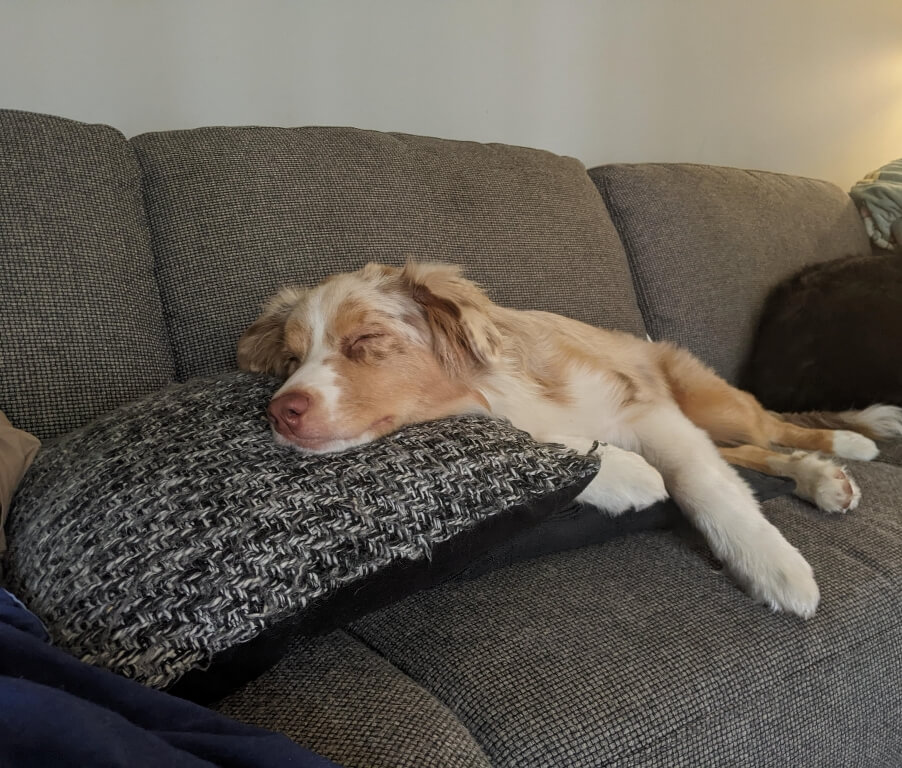
Dealing with a barking dog takes time and patience, but it’s absolutely achievable. Whether it’s through behavioural training, professional advice, or consistent reinforcement, you can help your dog learn when it’s appropriate to bark and when it’s time to stay quiet.
As for Olive, she’s still a work in progress, but her barking is much more manageable now. The key is understanding your dog’s needs and being consistent in your training. With these tips, you’re well on your way to a quieter, happier home.
Check out the blog for more training tips, useful toys, and places to take your pup.
Enjoyed this article? You might like The Best Dog Accessories & Toys: My Favourite Brands You’ve Got to Try!
Recent Posts
How to Tell If a Vet Clinic Really Cares: Signs of a Good Vet
What to Do When Your Pup Has an Upset Tummy

Dog-Friendly Activities Around Perth: Exploring Markets and More With Your Furry Friend
Perth’s Best Puppy-Friendly Spots, And What New Owners Need to Know Before Visiting