Grass Seeds and Your Dog: Why Perth Owners Need to Know
You know that moment after a walk when your pup suddenly starts shaking their head like they’ve got water in their ears? Or chewing at one paw like it owes them money? This time of year, there’s a good chance a grass seed is to blame.
As Perth dries out heading into summer, the long grass along paths, verges and bushland turns gold and starts dropping its seeds. They look harmless, but grass seeds in dogs can cause real trouble, from sore paws to ear infections and, in rare cases, a trip to the vet for surgery.
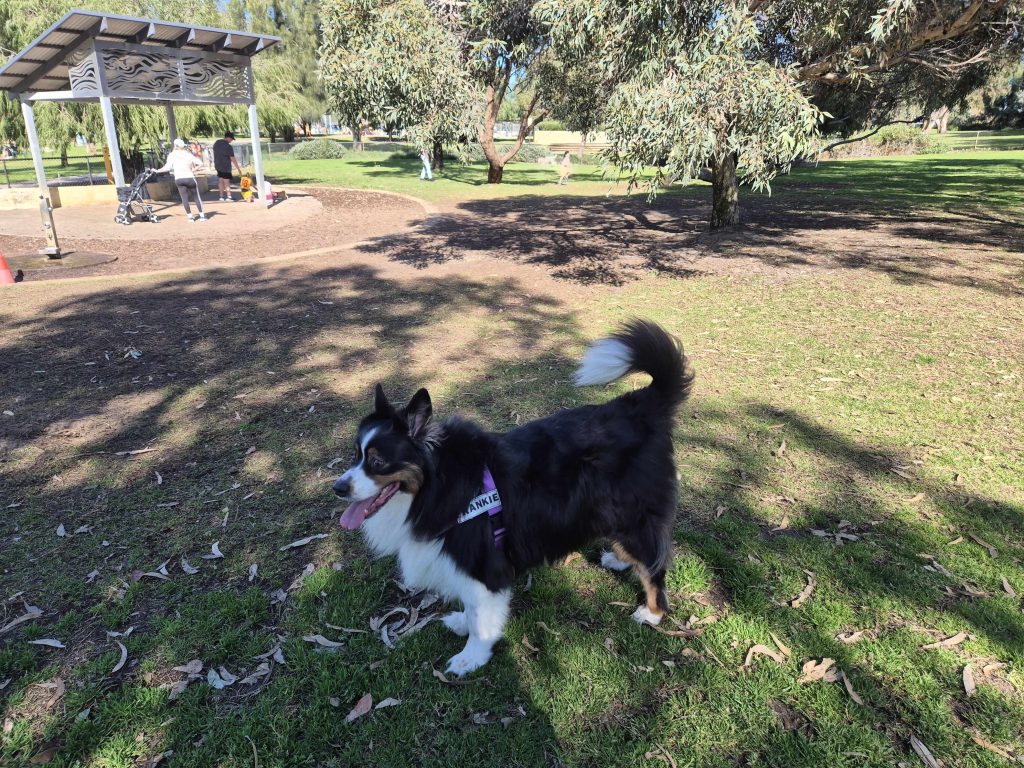
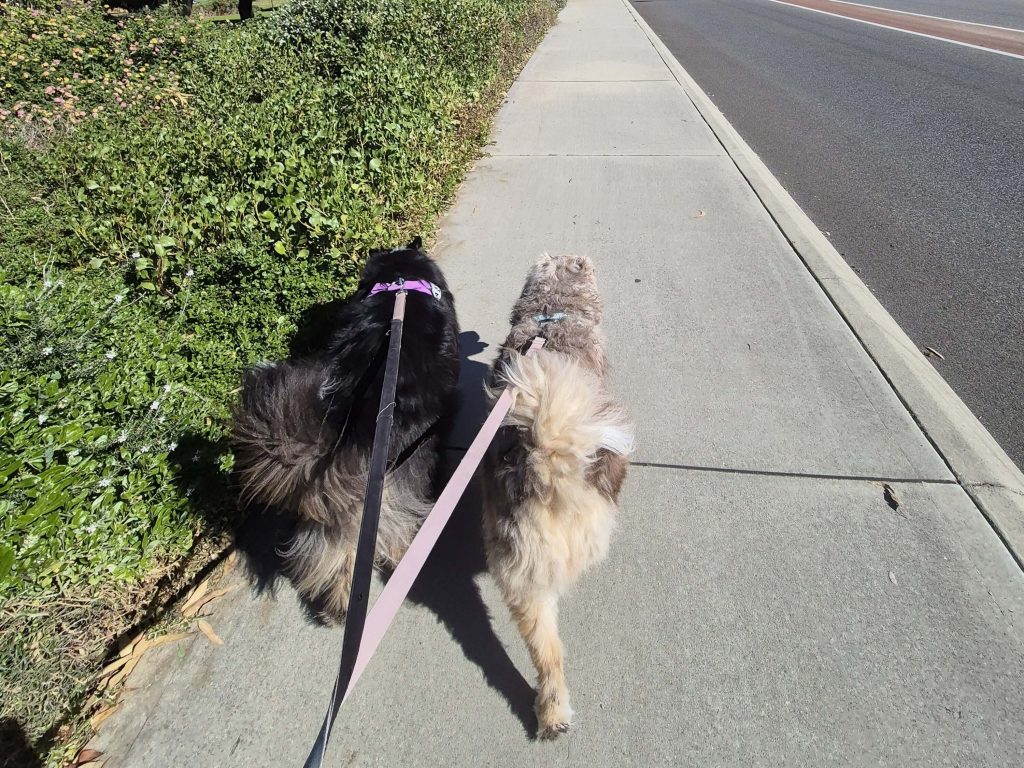
I learnt this one the hard way with Frankie. We found a grass seed right after a walk, but it had already worked its way into Frankie’s skin, so off to the vet we went to get it taken out. Luckily, since then we’ve only ever found them in the dogs’ fur, but it was a good reminder: if a seed is left too long or gets in too deep, your pup may even need surgery to get it out. That’s why I always do a thorough check after walks at this time of year, even if it’s just around the block or down to the park. They’re everywhere right now!
I’ve pulled together everything I wish every dog owner knew about grass seed season: what to look for, what to do if you find one, and the quick post-walk check that makes a big difference. A quick note before we start: I’m not a vet, so if you’re ever worried about your dog, call your vet.
What Are Grass Seeds, and Why Are They a Problem for Dogs?
The troublemakers are the sharp, arrow-shaped seed heads (sometimes called awns) from grasses like wild oats, barley grass, brome grass and spear grass. Their tips are covered in tiny barbs that point backwards, so once a seed catches in your dog’s fur, it can only move one way: inwards.
Every step your pup takes can work the seed a little deeper. That’s how a seed sitting in the fur can end up burrowing into skin, ears, eyes or nostrils, where it can cause pain, infection and abscesses.
Any dog can pick one up, but some are more at risk:
- Fluffy and long-coated dogs. Seeds hide easily in thick fur, feathery feet and around the ears.
- Dogs who love a good sniffari. Noses down in long grass means seeds near nostrils and eyes.
- Dogs with floppy ears. Ear flaps can trap seeds close to the ear canal.
- Bush, paddock and acreage dogs. More long, dry grass means more seeds.
When Is Grass Seed Season in Perth?
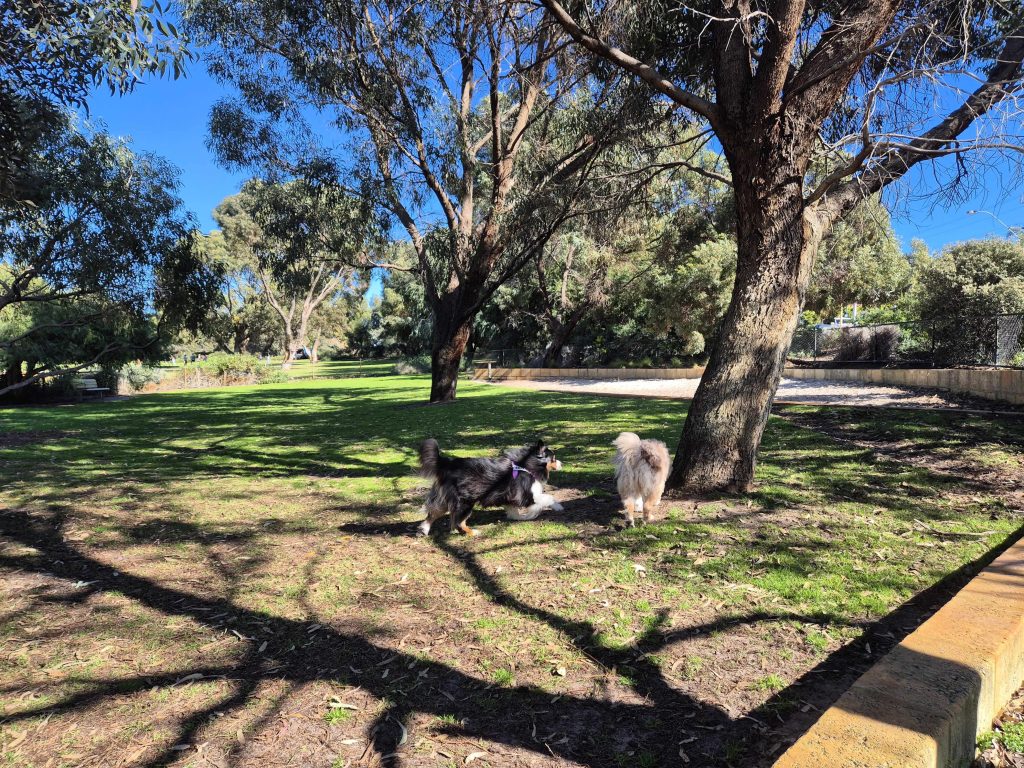
Australian vets know spring and summer as grass seed season. In Perth, it ramps up as the winter growth dries off from late spring, and seeds can hang around well into summer and autumn wherever dry grass is left standing.
The spots to keep an eye on:
- Unmown verges and the edges of footpaths, especially after a wet winter.
- Bushland and walking trails in the Perth Hills and along the coast, where grass grows thick beside the path.
- The edges of off-leash parks, where the mower doesn’t quite reach.
- Paddocks, vacant blocks and rural day trips, think Swan Valley, Chittering or a weekend down south.
- Your own backyard, if there’s a patch of grass that’s gone to seed.
This doesn’t mean you need to stop exploring! It just means a little extra care during the dry months. Our guides to Perth’s best walking trails and day trips in the Perth Hills are still well worth a look, just pack the post-walk check below.
Signs Your Dog Has a Grass Seed
The signs depend on where the seed has ended up. Here’s what to watch for:
| Where | Signs to watch for |
|---|---|
| Paws (between the toes) | Licking or chewing one paw, limping, a small red lump or hole between the toes, sometimes pus |
| Ears | Shaking the head, scratching or rubbing the ear on the ground, tilting the head to one side, a smell or discharge |
| Eyes | Squinting or holding the eye shut, redness, watery eye or discharge, pawing at the face |
| Nose | Sudden, repeated sneezing, pawing at the nose, discharge or a nosebleed from one nostril |
| Skin and coat | Chewing or licking one spot, a lump or swelling, matting (especially behind the ears or in the armpits) |
| Chest or breathing | A sudden cough, laboured breathing, or seeming flat and unwell |
Some of these can look like other problems, so don’t try to diagnose it yourself. If your dog is showing any of these signs after time in long grass, it’s worth getting them checked.
What to Do If You Think Your Dog Has a Grass Seed
If it’s just sitting in the fur: gently pick it out with your fingers or a pair of tweezers. Seeds caught in the coat (and not yet in the skin) are the easy wins, so it’s worth a once-over every time.
If it’s gone into the skin, or you can’t see it: leave it to your vet. Digging around can push the seed in further or snap it, leaving part behind. Seeds keep moving inwards, so don’t wait to see if it sorts itself out.
Go to the vet straight away if:
- Your dog is squinting, has a red or weepy eye, or keeps pawing at their face.
- They’re shaking their head constantly or seem off balance.
- They’re sneezing repeatedly or have discharge or blood from one nostril.
- They’ve developed a cough or breathing trouble.
- There’s a swelling, a weeping hole or a limp that isn’t improving.
Depending on where the seed is, your vet may need to sedate your dog to find and remove it safely. Catching it early usually means a quicker, simpler (and cheaper) fix.
Not sure where to go? Our guide on how to tell if a vet clinic really cares can help, and it’s a good idea to save your nearest after-hours emergency vet in your phone before summer hits.
How to Prevent Grass Seed Problems This Summer
There’s no way to avoid grass seeds completely, but a few small habits go a long way.
The Two-Minute Post-Walk Check
After any walk through grassy areas, run your hands over your pup from nose to tail. It quickly becomes part of the routine (and most dogs think it’s a bonus pat session).
- Paws: spread the toes and check between them and the pads.
- Ears: lift the flaps and look inside, and feel the fur behind the ears.
- Eyes and nose: look for redness, weeping or anything stuck in the corners.
- Armpits and groin: seeds love these warm, hidden spots.
- Coat: run your fingers against the grain, especially on fluffy pups.
Keep the Fluff Trimmed
A summer trim around the feet, ears and armpits makes seeds easier to spot and harder to snag. If your dog has a thick coat, ask your groomer about a seasonal tidy-up. Our Perth dog grooming guide has a few local options to try.
Pick Your Paths
Stick to mown areas, beaches and well-kept tracks during the driest months, and keep your dog on lead where the grass is long so they’re not bounding through it. Perth’s dog-friendly beaches and fenced off-leash dog parks are great seed-season alternatives.
Check Your Own Backyard
Mow or pull out any grass that’s gone to seed along fence lines and garden beds, so home isn’t the problem spot.
Grass Seed FAQs
Can a grass seed come out on its own?
Occasionally a seed caught in the fur will fall out, but once one is in the skin, ear or nose, it usually keeps moving inwards because of its backwards-facing barbs. Don’t wait it out. If you can’t easily remove it from the fur, see your vet.
How do I know if my dog has a grass seed in their ear?
Constant head shaking, scratching at one ear, rubbing it along the ground or holding their head on a tilt are the classic signs, especially straight after a walk. Your vet can look down the ear canal with a scope to check.
Can I remove a grass seed from my dog’s paw at home?
If it’s sitting on the surface of the fur between the toes, yes, gently with tweezers. If there’s a hole, swelling or limping, the seed has likely gone in, and that’s a job for your vet.
Are grass seeds dangerous for dogs?
They can be. Most are caught early and are easy to treat, but seeds left in place can cause infections and abscesses, and in rare cases travel deeper into the body. That’s why early checks matter.
Which dogs are most at risk?
Any dog can get one, but fluffy, long-coated and floppy-eared dogs, plus pups who love sniffing through long grass, tend to pick them up most often.
Keep Exploring, Just Check Those Paws!
Grass seeds are one of those small summer hazards that are easy to miss and much easier to deal with when you catch them early. A quick post-walk check, a seasonal trim and a little care around long, dry grass will keep your pup comfortable and out of the vet’s waiting room.
So grab your leash, stick to the mown paths and keep the sniffaris coming. Have you had a grass seed scare with your pup? Share your story or your best prevention tip with us on Instagram or Facebook. We’d love to hear from you!
More summer reading for Perth dog owners:
Recent Posts
Dog Training in Perth: How to Find the Right Trainer for Your Pup
Dog Adoption in Perth: Why Adopting a Rescue Pet Is So Worth It

Dog Friendly Day Trips from Perth Hills: Adventures Your Pup Will Love